
Innovation & Entrepreneurship in Germany
Why Study Innovation & Entrepreneurship in Germany?
Germany is Europe's premier startup powerhouse and deep-tech innovation hub. Backed by government initiatives such as the High-Tech Strategy 2030, the Digital Strategy, and federal venture capital funds (like EXIST), Germany provides an ideal ecosystem for aspiring startup founders, venture managers, and corporate intrapreneurs. From Europe's startup capital in Berlin to the deep-tech manufacturing venture hubs in Munich, Aachen, and Stuttgart, studying Innovation & Entrepreneurship (Innovation und Entrepreneurship) connects you directly to angel networks, university venture incubators, and corporate R&D divisions.
Pioneering University Incubators:
Gain direct access to world-class university startup accelerators—such as UnternehmerTUM at TU Munich, Europe's largest centre for innovation and business creation, RWTH Innovation, and HTW Berlin Startup Centre.
World-Class Education Options:
Choose between tuition-free public universities or top private business schools holding elite international accreditations (AACSB, EQUIS, AMBA) offering 100% English-taught tracks and direct venture mentoring.
Bridge Deep Tech and Venture Creation:
German programs don't just teach business plans—they focus on commercialising deep-tech breakthroughs, patent strategy, sustainable business model design, venture capital financing, and agile product development.
High Demand & Career Flexibility:
Graduates can launch their own venture, join venture capital (VC) firms, or lead digital transformation as corporate innovation managers, earning starting salaries ranging from €54,000 to €75,000+ per year.
In-Demand Specializations
Innovation & Entrepreneurship degrees in Germany allow you to focus on specialised, high-growth venture and management tracks:
Technology & Deep-Tech Commercialisation:
Patent strategy, technology transfer, turning university research into scalable spinoffs, and IP management.
Venture Capital, Private Equity & Startup Finance:
Term sheet negotiations, cap table management, valuation of early-stage startups, series A funding strategies, and angel investing.
Corporate Intrapreneurship & Innovation Management:
Managing corporate innovation labs, agile product development, digital transformation leadership, and strategic venture building inside established firms.
Sustainable & Impact Entrepreneurship:
Circular economy business models, green tech ventures, ESG-driven business design, and social enterprise scaling.
Digital Products & Agile Venture Creation:
MVP (Minimum Viable Product) development, growth hacking, platform business design, product-market fit metrics, and lean startup methodologies.
Key Admission Prerequisites
For Bachelor's Programs (3–3.5 Years):
High school leaving credentials equivalent to the German Abitur (or completion of a 1-year Studienkolleg W-Kurs business foundation track).
For Master's Programs (1.5–2 Years):
A recognised 3-year or 4-year Bachelor's degree in Business Administration, Economics, Engineering, Computer Science, or any related discipline.
Interdisciplinary Flexibility:
Unlike pure finance or economics programs, many Innovation & Entrepreneurship Master's degrees encourage non-business applicants (Engineers, Software Developers, Scientists) to foster interdisciplinary founder teams.
Language Proficiency:
English-Taught Programs:
IELTS Academic (6.5 to 7.0+) or TOEFL iBT (88 to 100+).
German Skills:
While instruction is in English, learning German (B1/B2 level) is crucial for pitching to local investors, navigating German commercial law, and networking with regional suppliers.
Tuition Fees

Let's plan your path to studying Innovation & Entrepreneurship in Germany
From shortlisting the right venture-building programme to preparing a compelling application, our counsellors guide every step of your journey.
Frequently Asked Questions (FAQs)
Yes. Top public technical universities offer fully English-taught Master's programs in this field, including Hamburg University of Technology (TUHH - GTIME program), TU Berlin, RWTH Aachen (Management & Engineering in TIME), and Leipzig University (SEPT program).
Entry-level corporate innovation managers, venture development associates, and startup consultants earn average starting salaries ranging from €54,000 to €75,000+ per year. Graduates joining Venture Capital firms or leading digital transformation initiatives at major corporations (like BMW, Siemens, or SAP) often receive packages on the higher end of the scale.
EXIST is a flagship grant program funded by the German Federal Ministry for Economic Affairs and Climate Action (BMWK). It provides university students, researchers, and graduates with monthly living stipends (up to €3,000/month per team member), seed capital, and mentoring to turn university tech research into a startup. International students enrolled at German universities are fully eligible to apply.
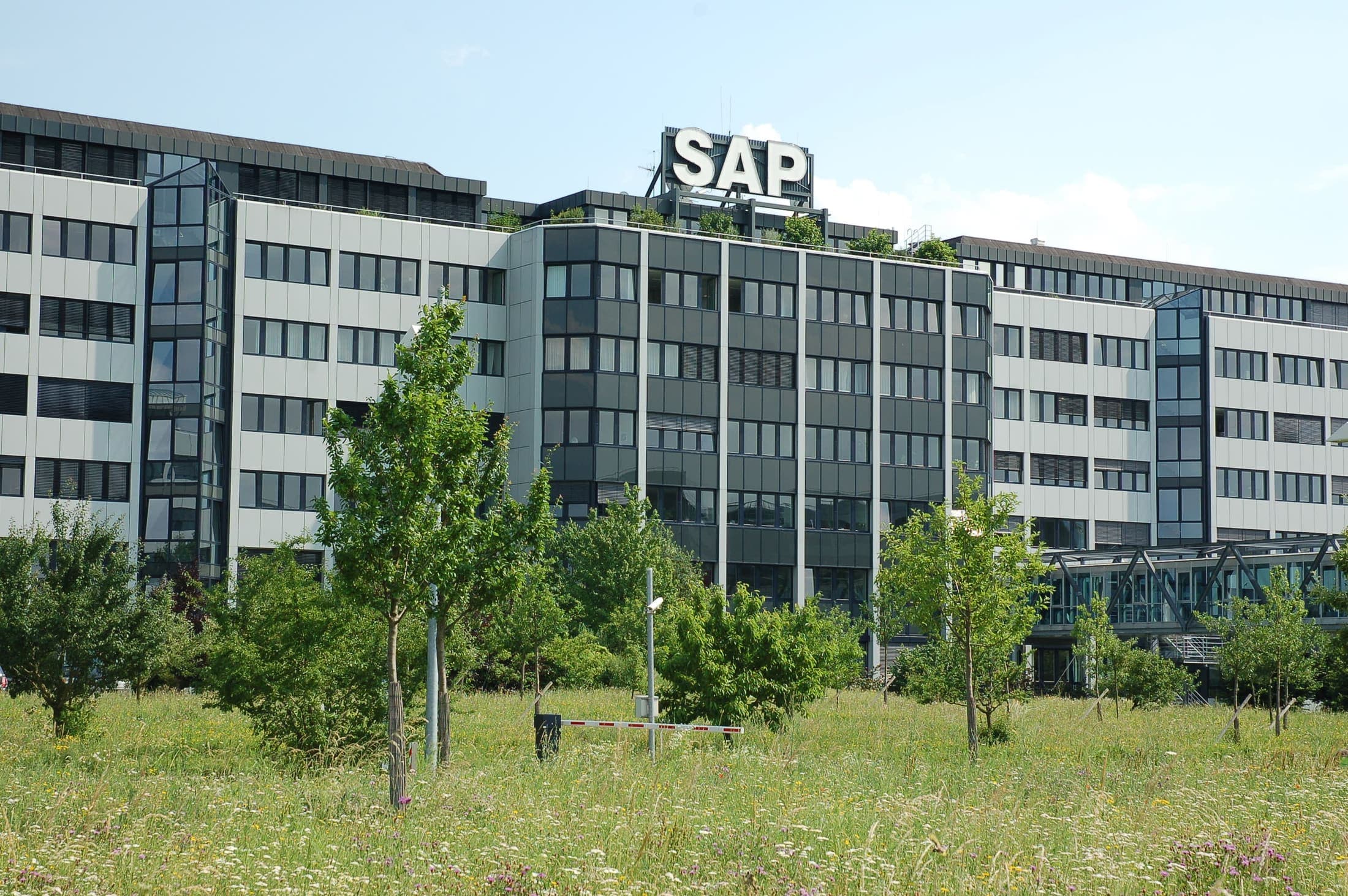
UnternehmerTUM (at TUM) is Europe's largest innovation and venture creation centre. It supports over 50 startups every year, providing students with access to prototype workshops (MakerSpace), early-stage venture funding (UVC Partners), acceleration programs (XPRENERS), and direct corporate partners like BMW and SAP.
Yes. In fact, STEM graduates like Engineers, Developers, Scientists are heavily favoured by admission committees and investor networks. Combining a technical STEM Bachelor's with an M.Sc. in Innovation & Entrepreneurship gives you the ideal skill set to build deep-tech spinoffs or manage technical product teams.
An M.Sc. in Entrepreneurship is a formal academic degree providing deep grounding in financial modelling, market entry strategy, IP law, venture capital dynamics, and management. A startup incubator is an equity/grant-focused program designed to accelerate a specific startup idea over 3 to 6 months. Most German Master's programs integrate an incubator directly into the degree curriculum.
Major venture capital and startup ecosystems include:
• Berlin: Europe's vibrant startup capital, leading in FinTech, consumer software, e-commerce, and green-tech startups.
• Munich: Europe's premier deep-tech, AI, B2B SaaS, and mobility innovation hub, backed by large VC funds and corporate tech headquarters.
• Aachen & Stuttgart: High-tech hardware, industrial robotics, automotive innovation, and advanced manufacturing spinoffs.
• Frankfurt: FinTech incubators, financial innovation, and venture debt.
No. While submitting a startup pitch deck or business concept can strengthen your application at specialised institutions, most universities do not mandate a pre-existing business idea. Programs are designed to help you generate ideas, find co-founders among your classmates, and build a startup during the degree.
After graduating from a German university, international students receive an 18-month Post-Study Work Visa. If you choose to launch a business during or after this period, you can easily convert to a Self-Employment Residence Permit (Aufenthaltserlaubnis zur freiberuflichen/gewerblichen Tätigkeit), provided your business model has regional economic impact and secured financing.
Curricula focus on practical venture building tools, including Design Thinking, Lean Startup Methodologies, Agile / Scrum framework, Business Model Canvas, Figma / Adobe XD (rapid prototyping), CapTable tools, and SAP / CRM enterprise integration.
Entrepreneurship involves founding a brand-new, independent business entity from scratch and taking on personal financial and operational risks. Corporate Intrapreneurship involves acting like an entrepreneur inside an established corporation (e.g., Siemens or BMW)—developing new business units, digital products, or innovation spinoffs using the enterprise's resources and capital.
Private Business Schools (WHU, HHL, ESMT, Frankfurt School) focus heavily on business networks, venture capital connections, pitch competitions, and alumni founder networks (for example, WHU has produced dozens of German unicorn founders). Public Technical Universities (TUM, RWTH Aachen, TU Berlin) excel in deep-tech, engineering hardware, patent commercialisation, and tuition-free education integrated with university research labs.
Explore Other Fields of Study in Germany
Beyond Innovation & Entrepreneurship, EduOptions Germany also guides students
into these high-growth fields.
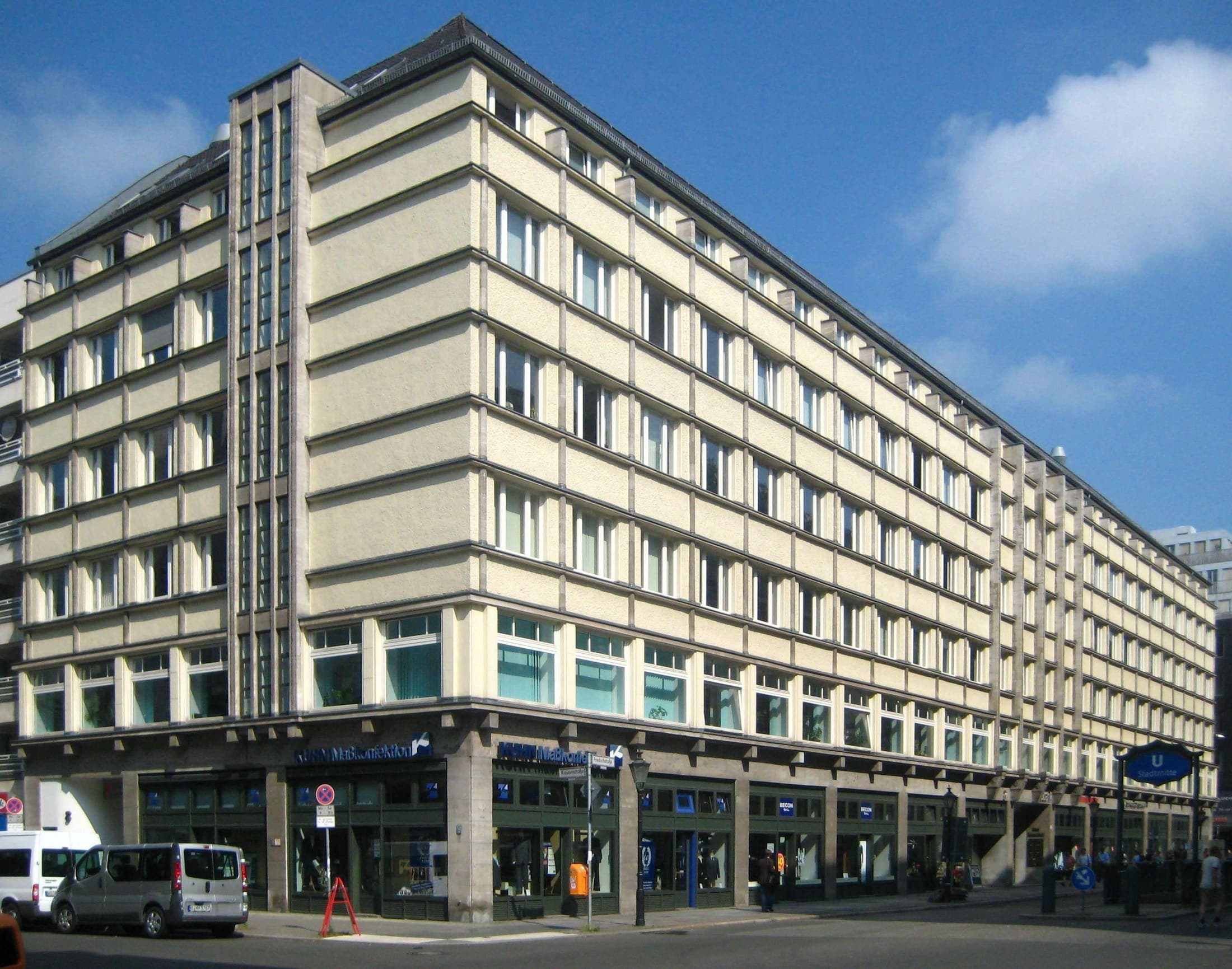
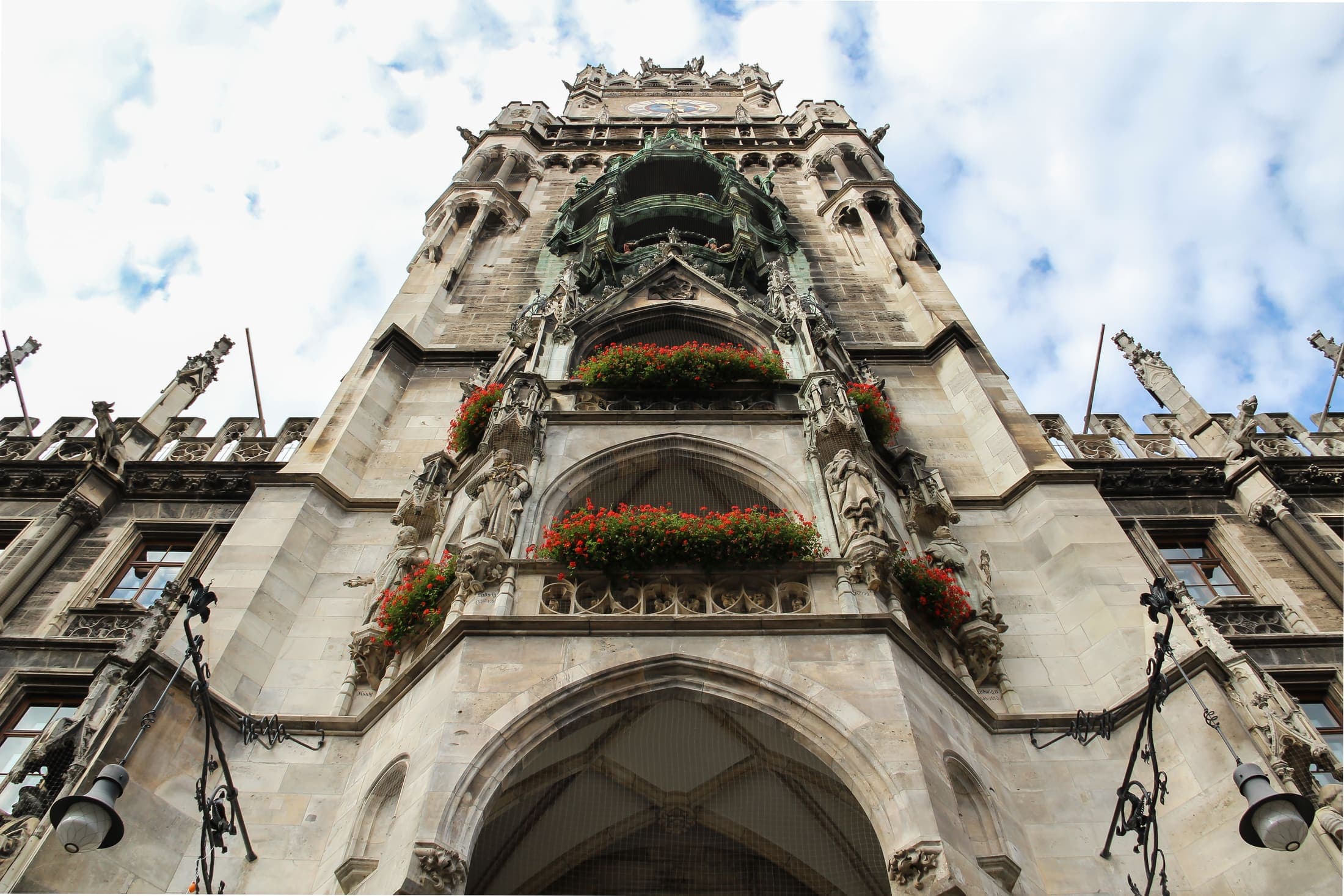
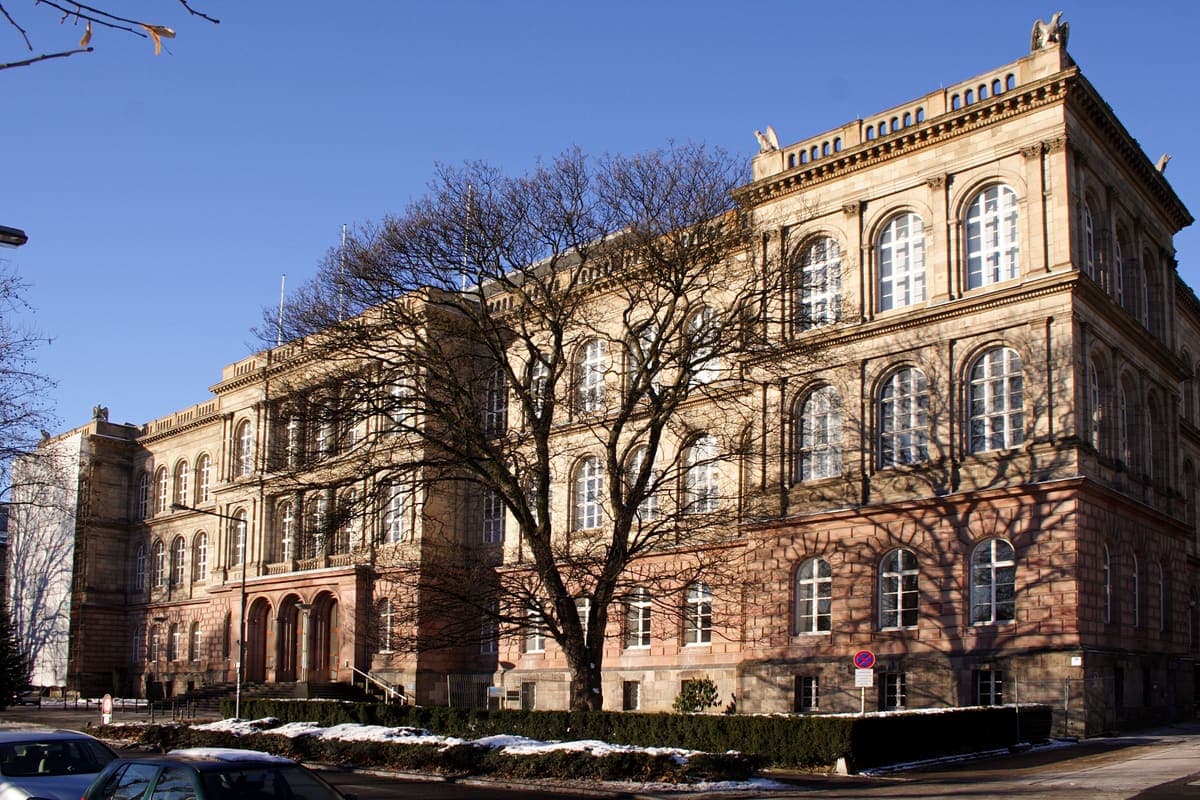
Photo credits: Friedrichstrasse business district, Berlin by Jörg Zägel, CC BY-SA 3.0; SAP headquarters, Walldorf by Vladislav Bezrukov from Walldorf, Germany, CC BY 2.0; Munich New Town Hall, Marienplatz by Dietmar Rabich, CC BY-SA 4.0; RWTH Aachen main building by א (Aleph), CC BY-SA 2.5; Düsseldorf skyline by QuidoX, CC BY-SA 3.0. Via Wikimedia Commons. All image credits
